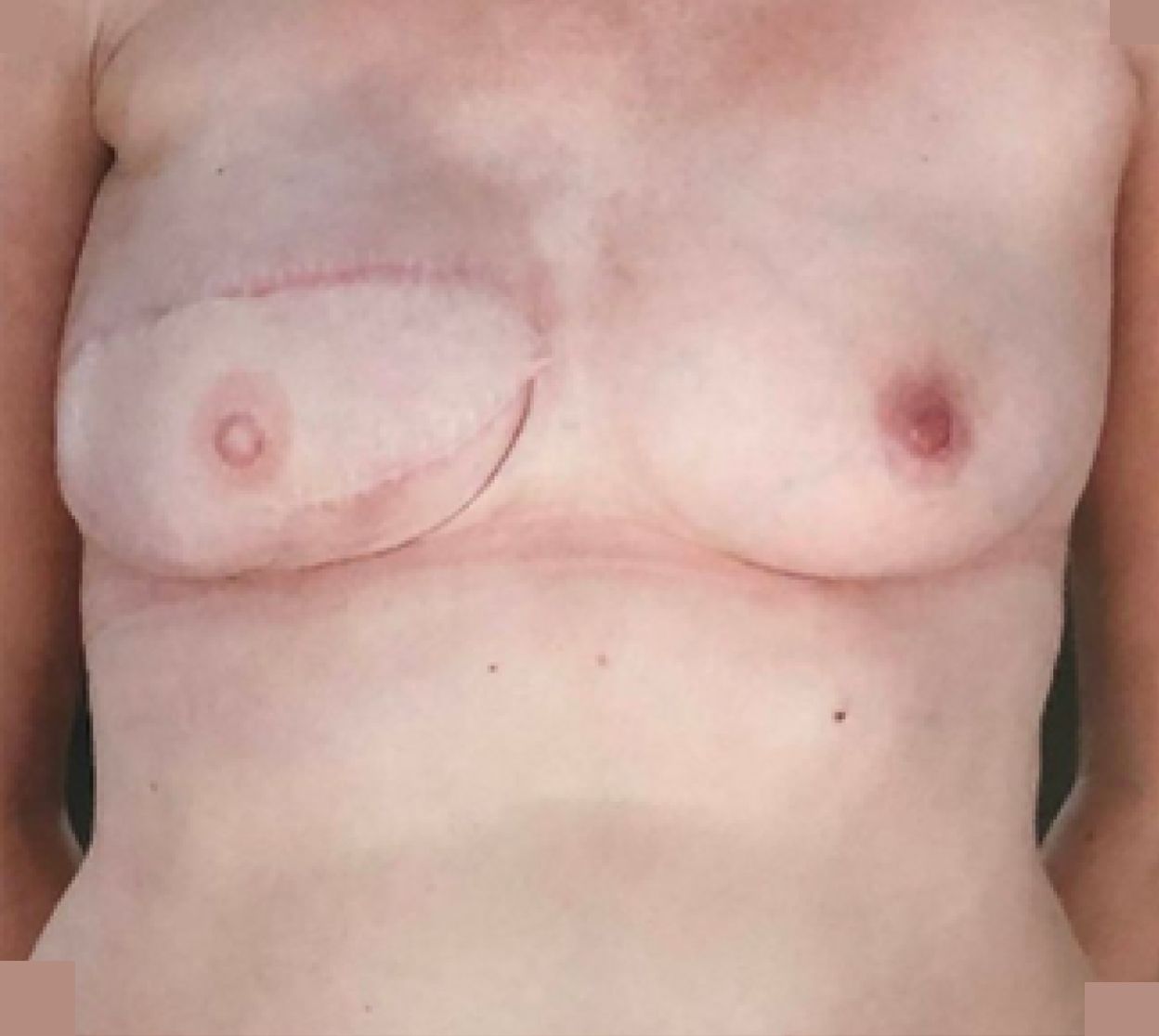
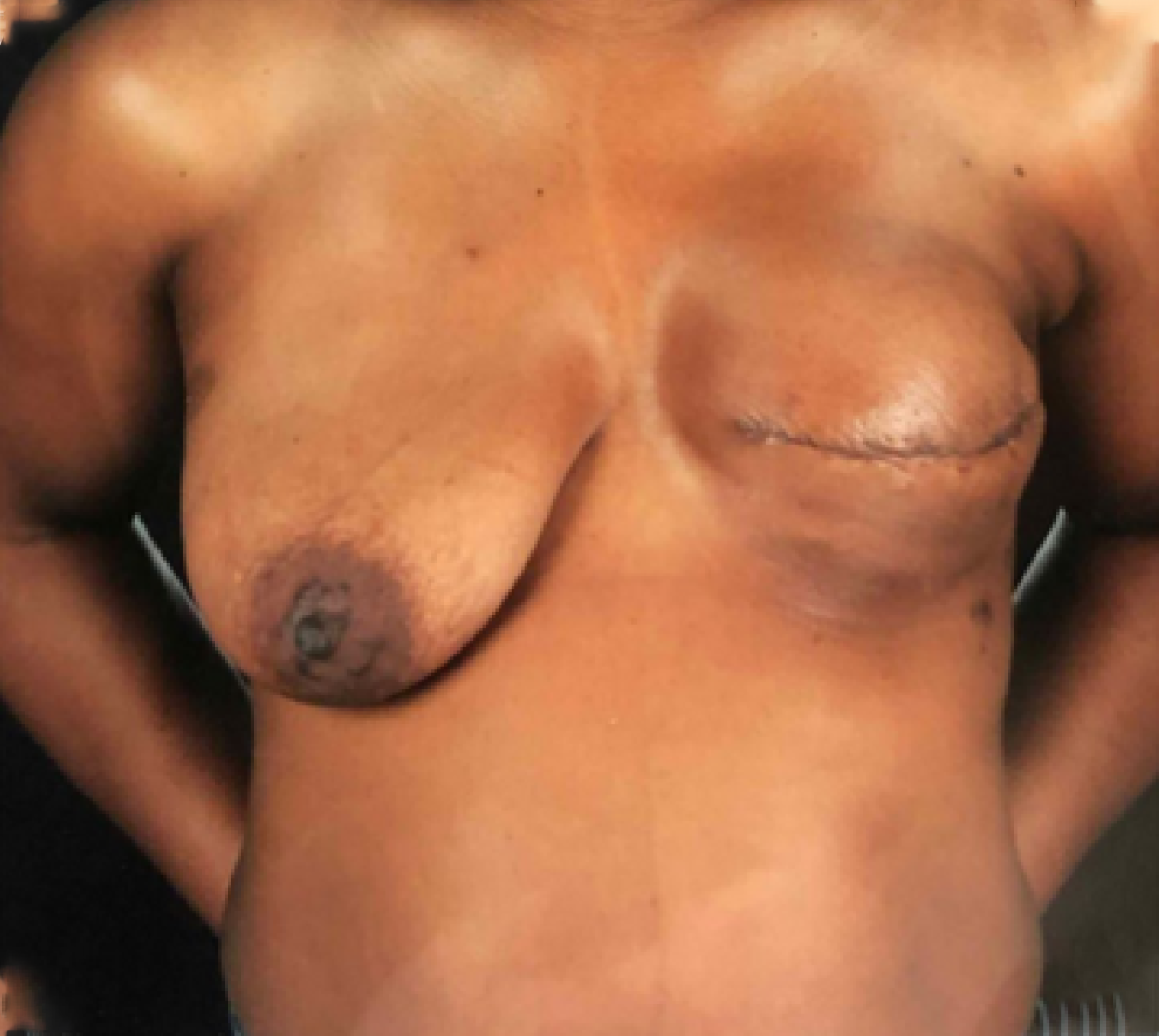
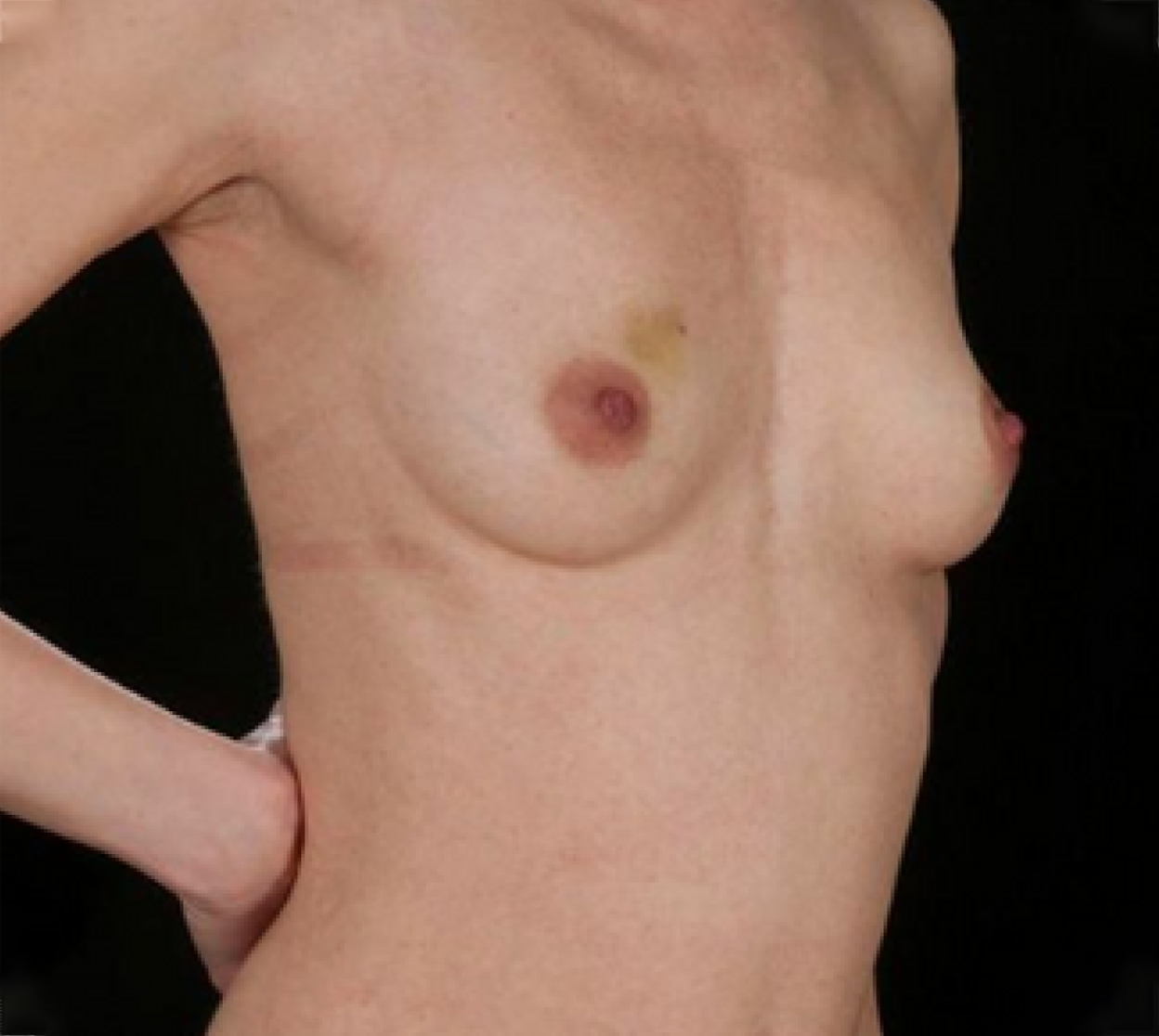
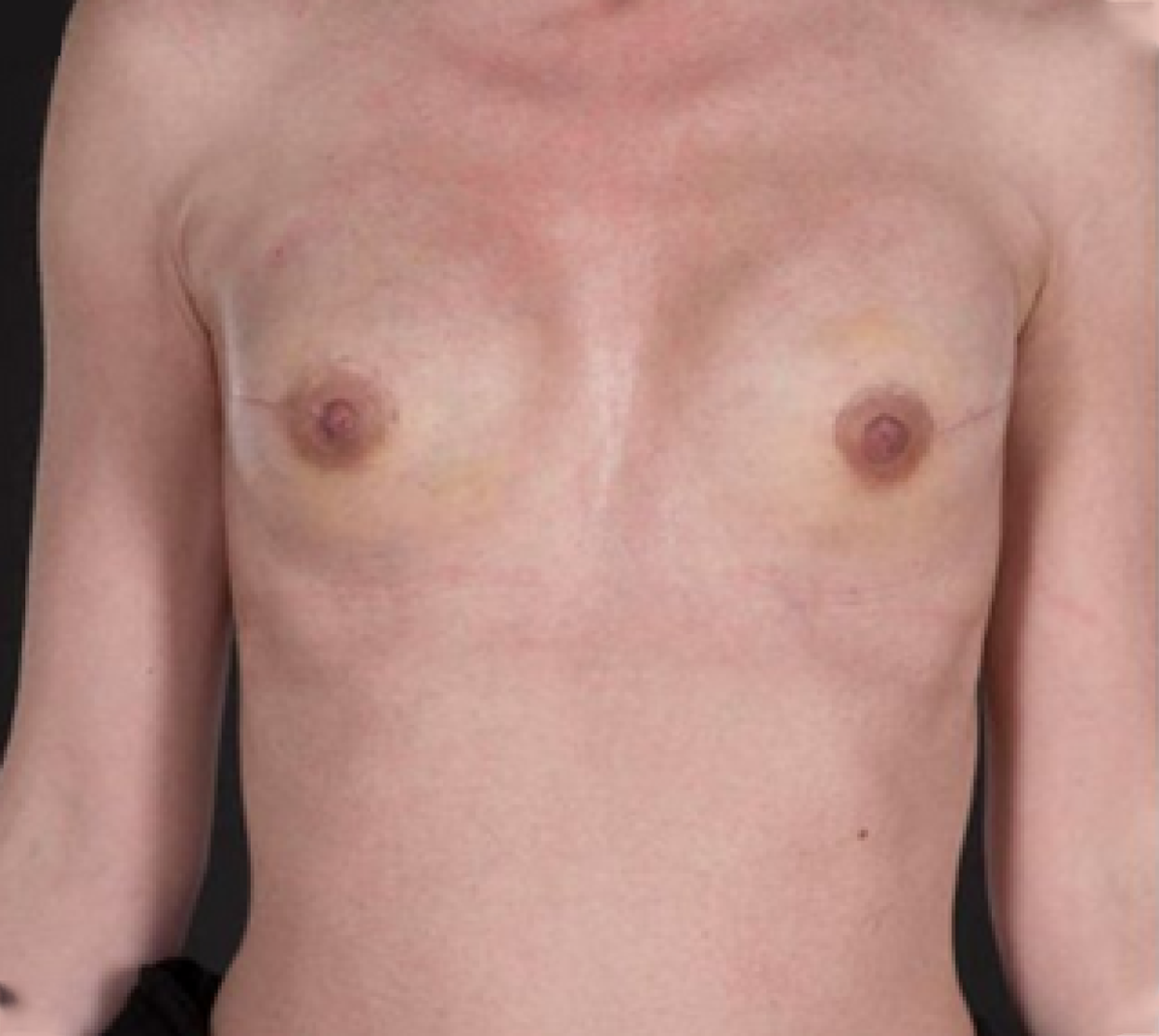
Reconstructive surgery rebuilds the shape of the breast that is removed during mastectomy. It can be done at the same time as the mastectomy (immediate reconstruction) or at a later time (delayed reconstruction. Common types of reconstruction include implant-based and flap procedures. Women can also opt for non-surgical reconstruction using external prostheses and adhesive products. Reconstruction can help restore a sense of wholeness and self-confidence for many women.

Insight into Reconstructive Surgery Options

Reconstruction options should be discussed individually with the plastic surgeon, considering the specific medical situation and personal preferences.

Reconstruction options should be discussed individually with the plastic surgeon, considering the specific medical situation and personal preferences.

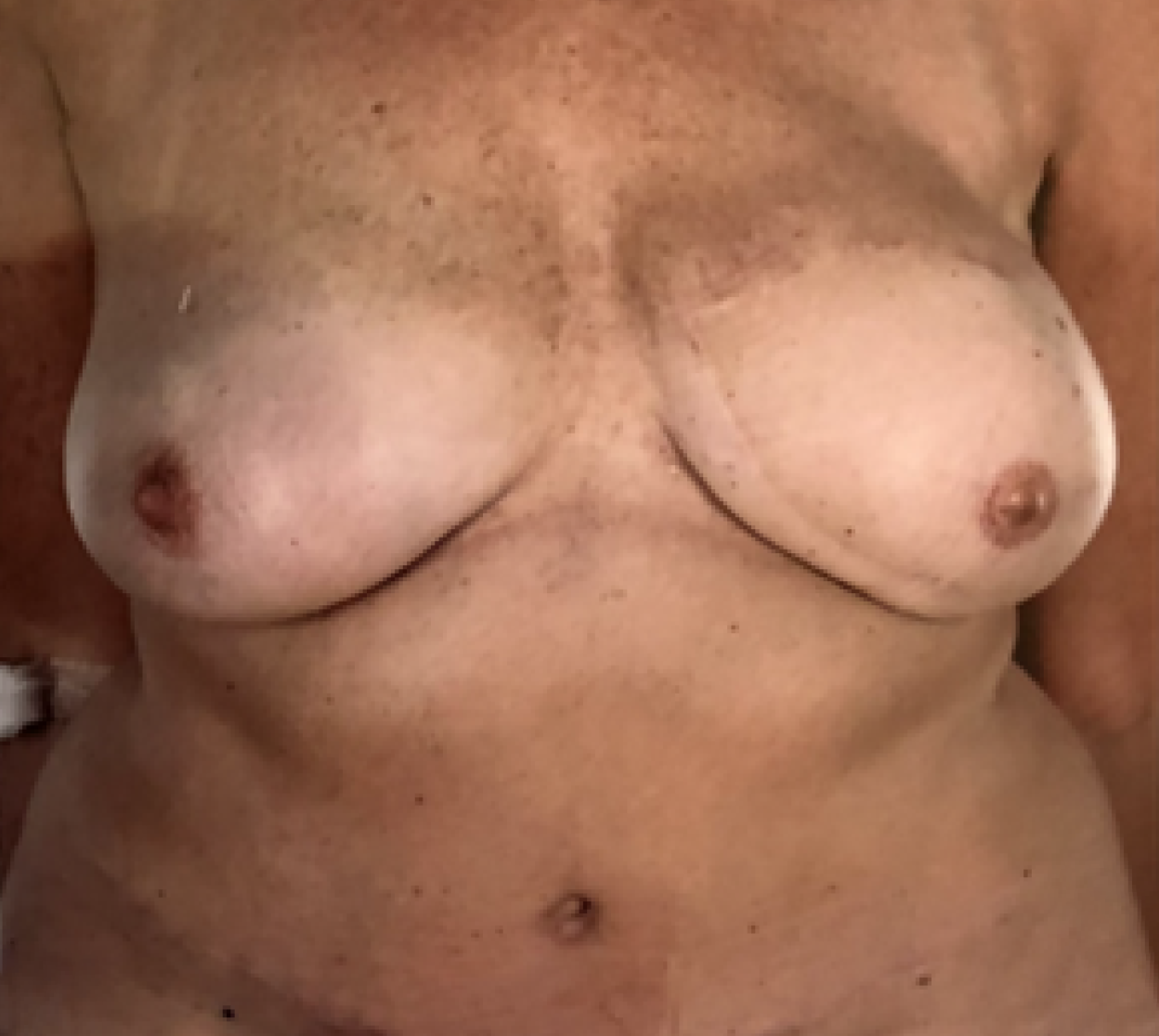
Reconstruction options should be discussed individually with the plastic surgeon, considering the specific medical situation and personal preferences.
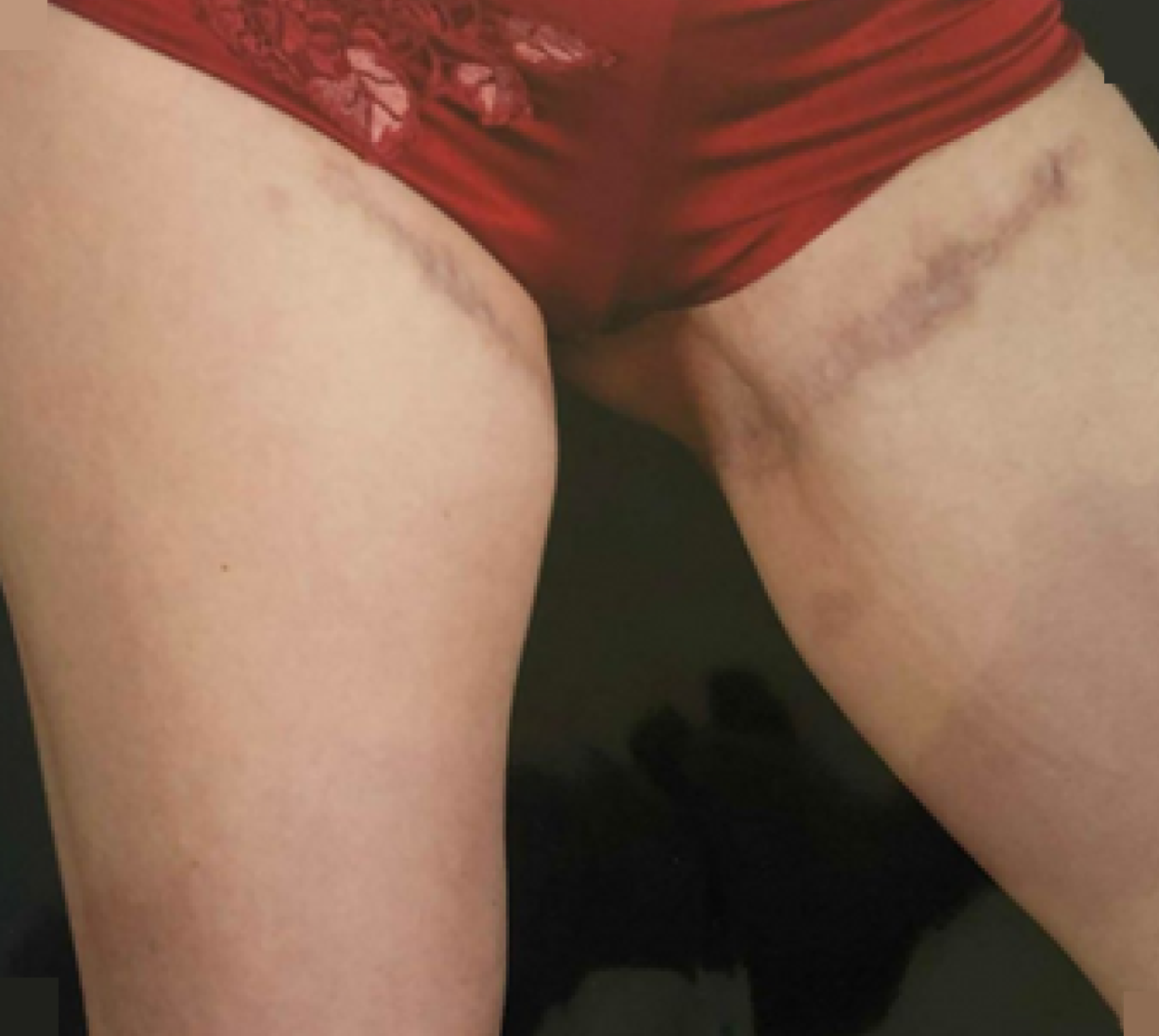
On a global scale, breast cancer is the most common cancer in women worldwide, and the most common cancer among Indian women, comprising about 27% (164,000 per year) of all female cancers according to ICMR.

Less than 1% undergo reconstruction in Indian contrast to 30% and 20% in the UK and US respectively.

TYPES OF RECONSTRUCTION

Flap Reconstruction

INSIGHT: Flap reconstruction uses the woman's own tissue - skin, fat, and sometimes muscle - from the abdomen, thighs, back, or other areas to create a new breast.

  1. Natural look and feel
  2. Long-term durability
  3. Reduced risks and complications
  4. Additional body contouring benefits
  5. Psychological benefits

LIMITATIONS: Flap procedures are more complex than direct-to-implant reconstructions, and the initial recovery phase can be longer. There is a 1% flap failure rate.

Implant-Based Reconstruction

INSIGHT: Using implants to rebuild the breast. This can be done in a single or multiple surgeries.

LIMITATIONS:

  1. Less natural look and feel
  2. Long-term durability
  3. Risk of implant-related complications
  4. Potential for implant rupture or capsular contracture
  5. Need for future implant-related revision surgeries